The Koenigsegg Jesko; Koenigsegg’s latest hyper-car is currently on a world tour. A week and a half ago, it landed here in Dubai in a cargo plane straight from Hong-Kong. It was unloaded and transported to Al Ain Class Motors- an exotic car showroom in Dubai.
Me being the Koenigsegg fan-boy that I am, had to go see this marvel of Engineering; Koenigseggs new fastest car with the most advanced technology and the most advanced design on any modern day vehicle with everything from its “Light-speed” transmission to it’s 1600 horsepower twin-turbo V8.
Al Ain Class Motors being the exotic car dealership that it is, did not only have the Jesko on display but had many other incredibly rare- once in a lifetime cars and I decided to take pictures of them so I could share their stories with you.
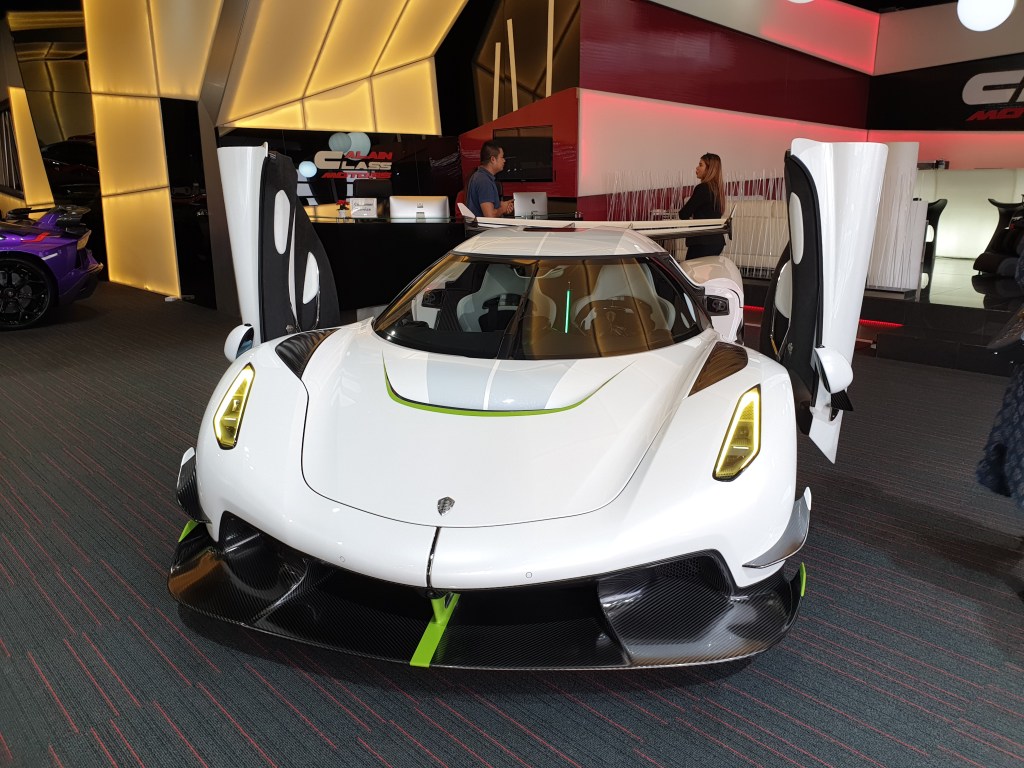

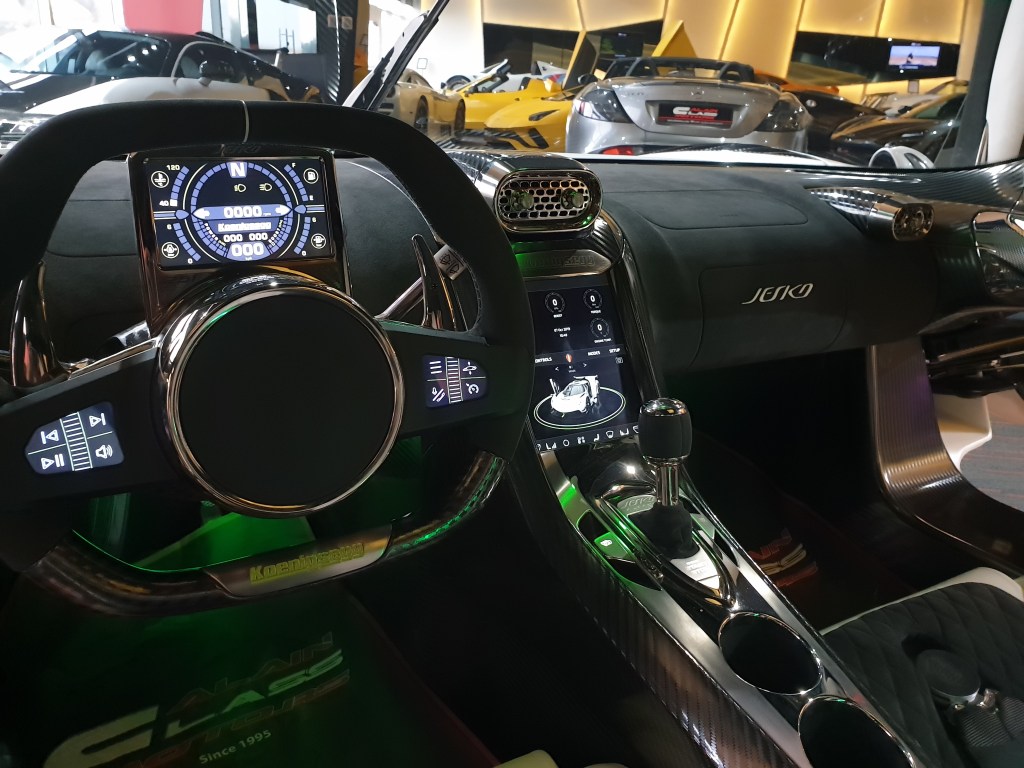
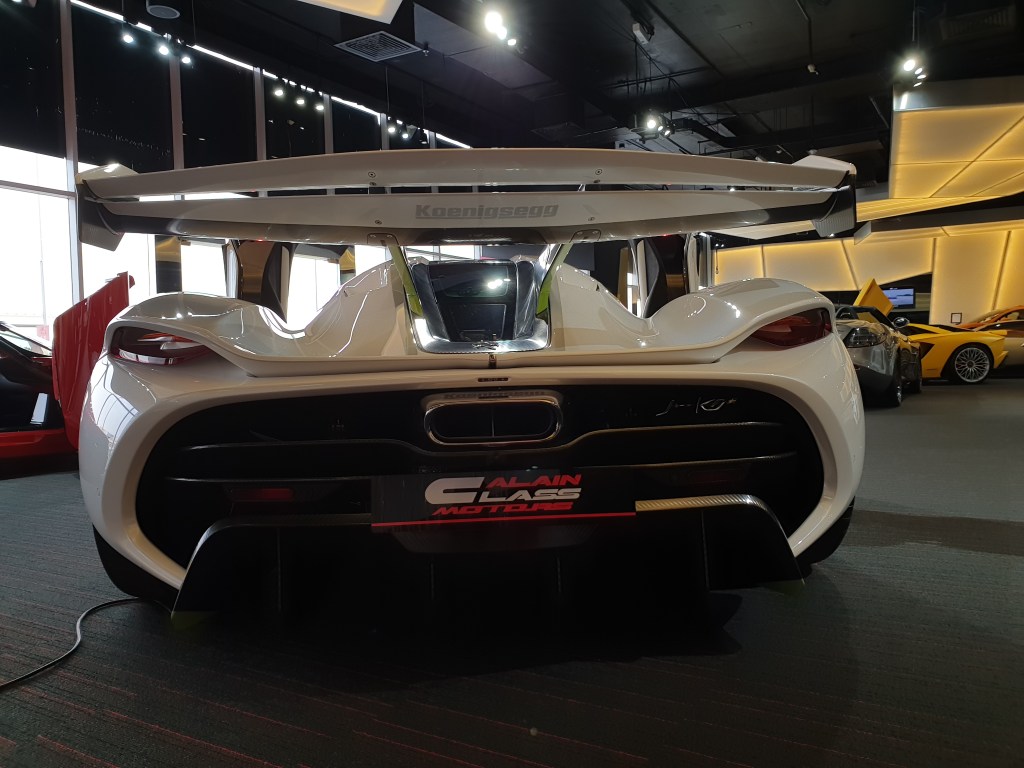
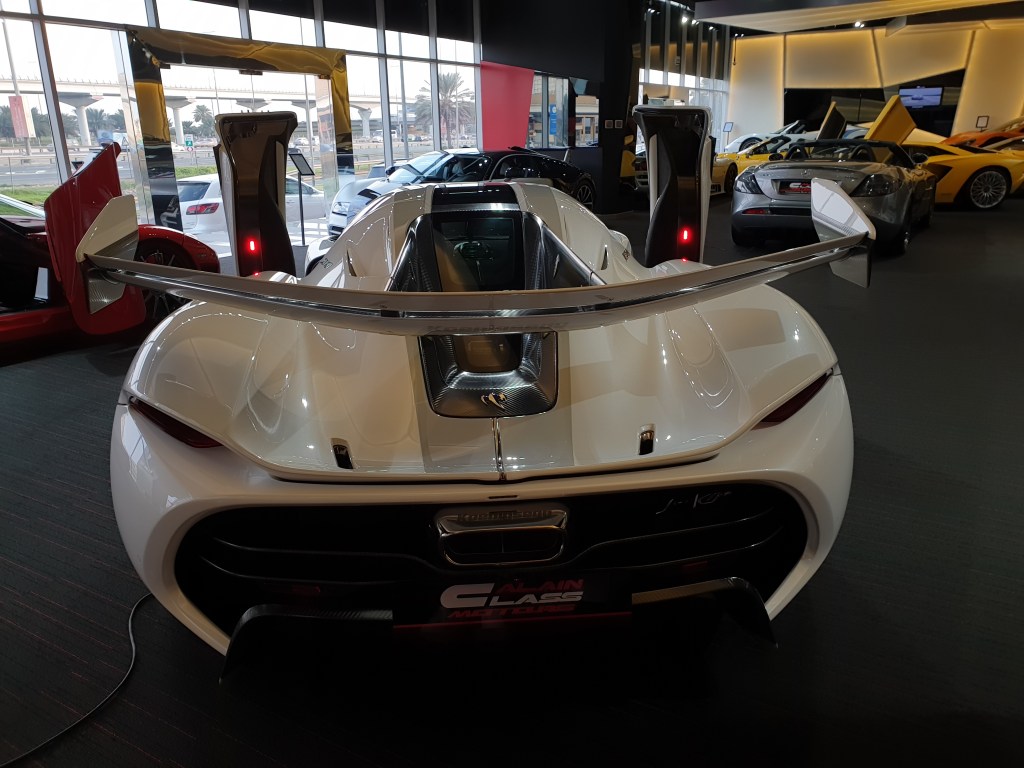
The Koenigsegg Jesko
The koenigsegg Jesko (named After Jesko Von Koenigsegg, Christian Von Koenigsegg’s father who played a very important role when Koenigsegg was founded) is the successor to the Koenigsegg Agera. Currently, only 1 of these cars exist. The car was unveiled at the Geneva Motor Show 2019 and all 125 cars were sold out on the day of its unveiling. Koenigsegg is currently working on a variant of the Jesko with the aim of reclaiming the throne of fastest car in the world after the Bugatti Chiron SuperSport 300 stole the show from the Koenigsegg Agera RS by setting a blisteringly quick top speed of 304.773 mph (490.5 mph).
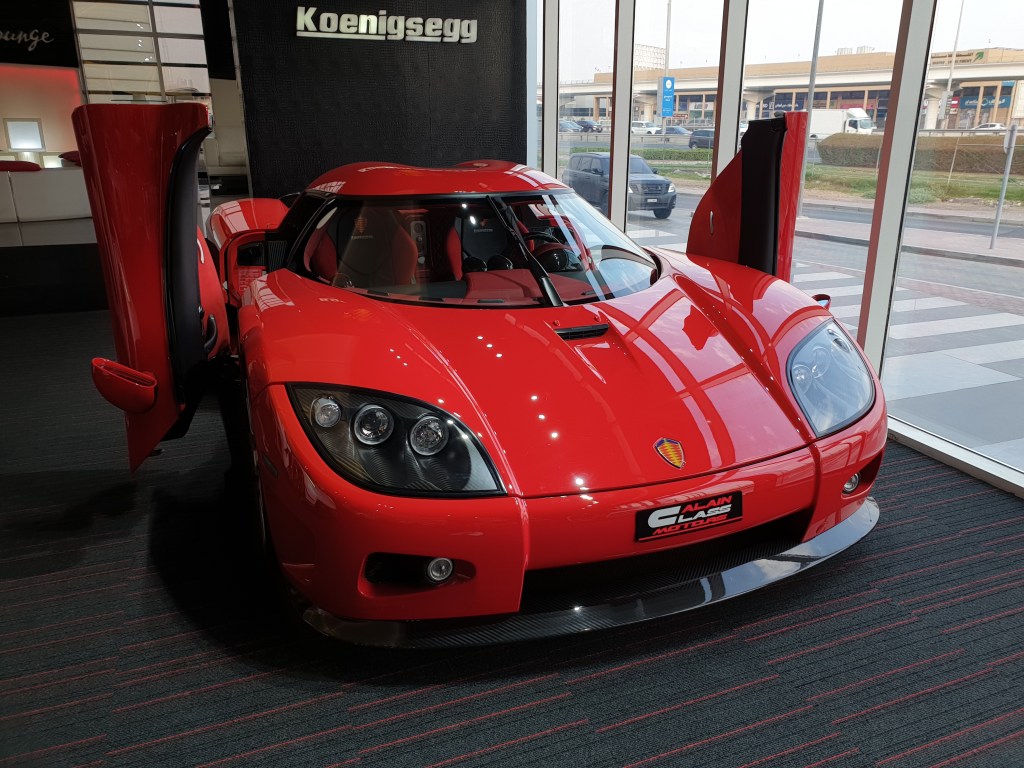
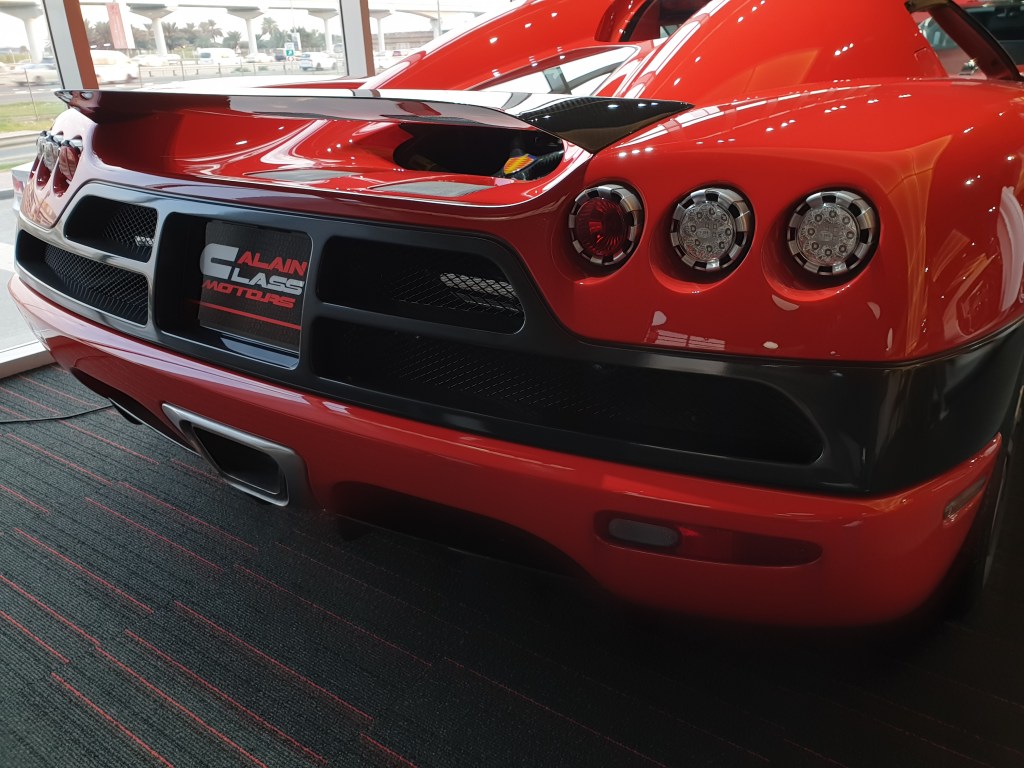
The Koenigsegg CCX
The Koenigsegg CCX is the first car Koenigsegg designed with the purpose of entering international markets by ensuring the vehicle met almost every international (especially Californian) vehicular restrictions. This beauty made 806 hp to the rear wheels at 7,000 rpm. This beautiful and perfectly maintained example is 1 of 40 CCXs built. This was the car that popularized Koenigsegg.
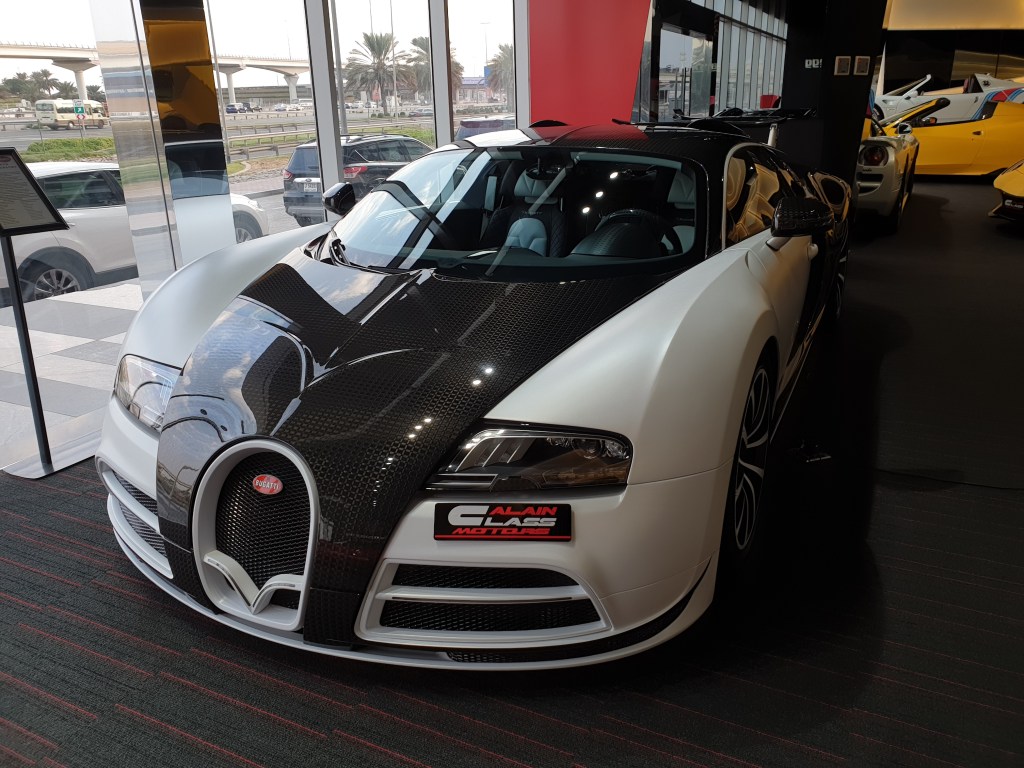
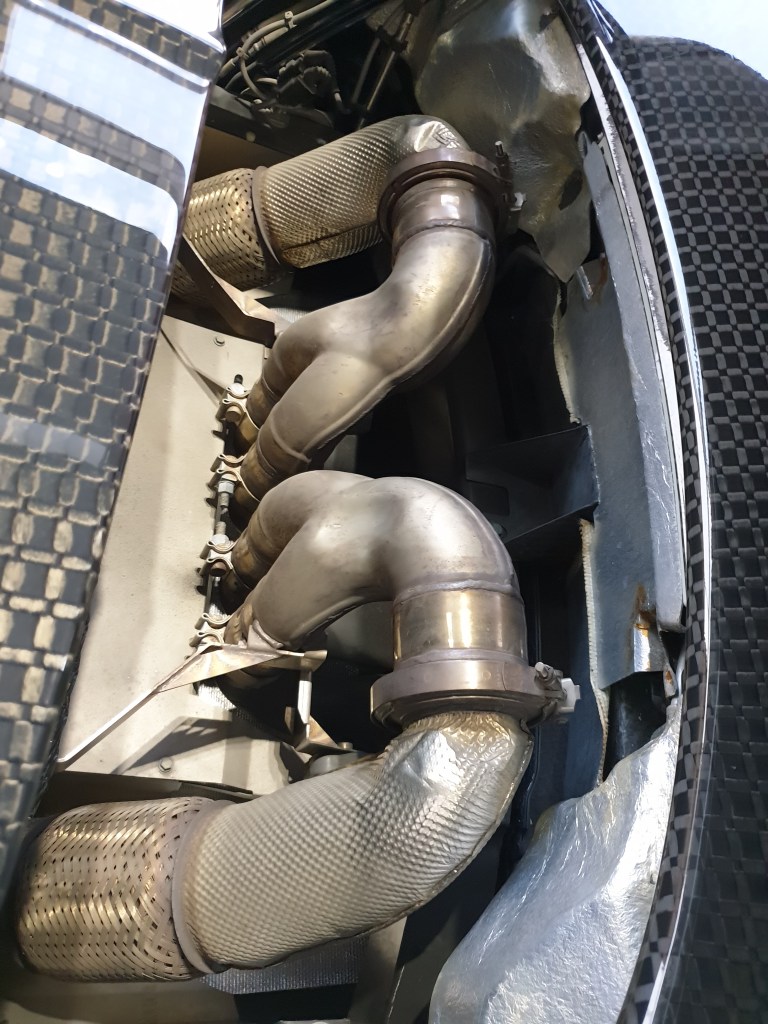
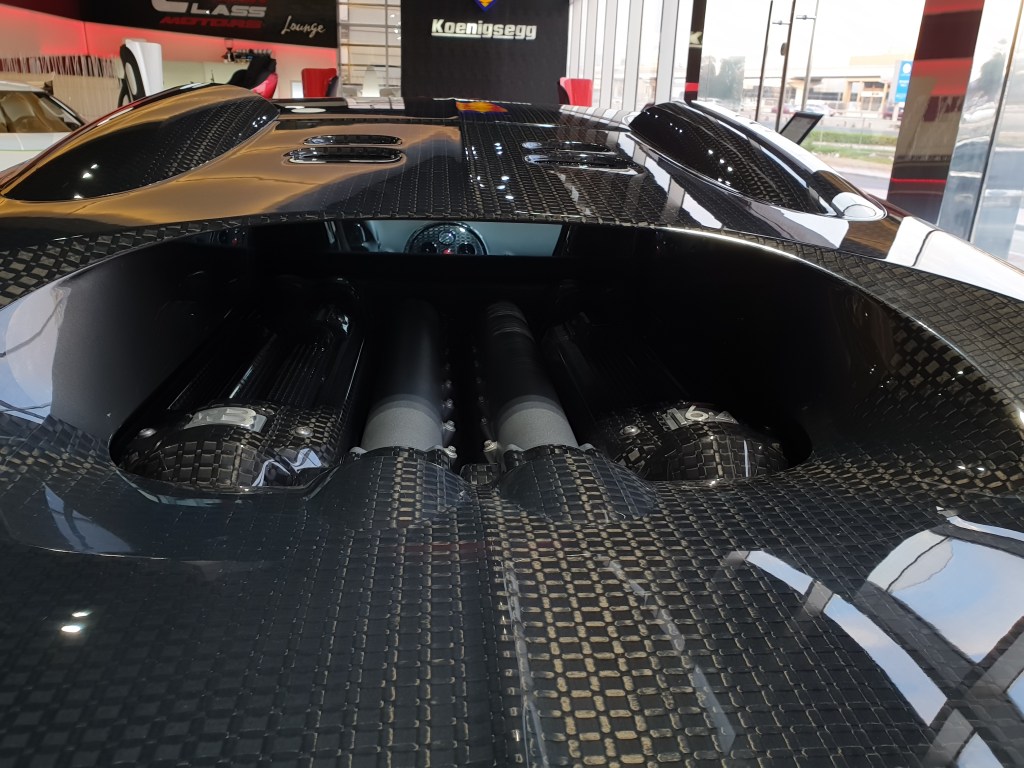
The Bugatti Veyron Vivere by Mansory
The Bugatti Veyron is an icon itself with a variant (the SuperSport) being the fastest car in the world at one point setting a record of 431.072 km/h (267.856 mph). A quad-turbo W16 sends 1200 hp to all four wheels at 6400 rpm. This specific example of a Veyron has been completely redone by Mansory; a car modification company based in Germany. They do everything from full carbon body Aventadors to completely redone interiors. The Mansory Linea Vivere sports a beautiful Carbon Fiber body with white accents (Matte or Gloss depending on the commissioners preference). The interior on the Linea Vivere also has all of its silver/metal accents replaced with forged carbon fiber pieces making the interior a truly spectacular place to be.
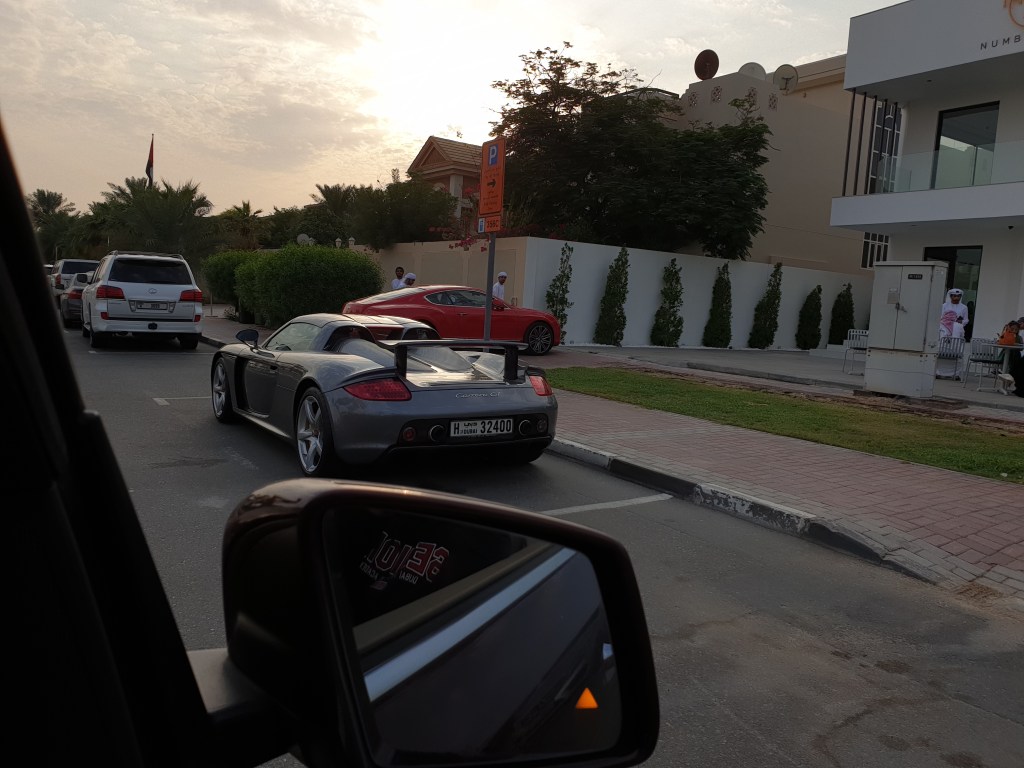
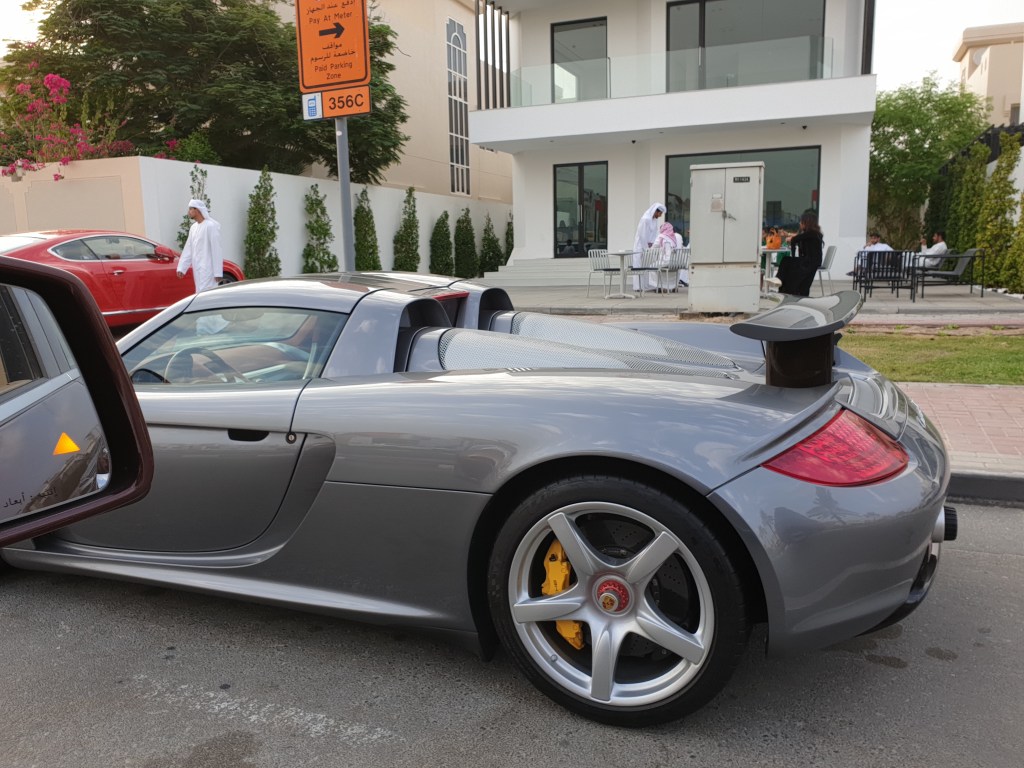
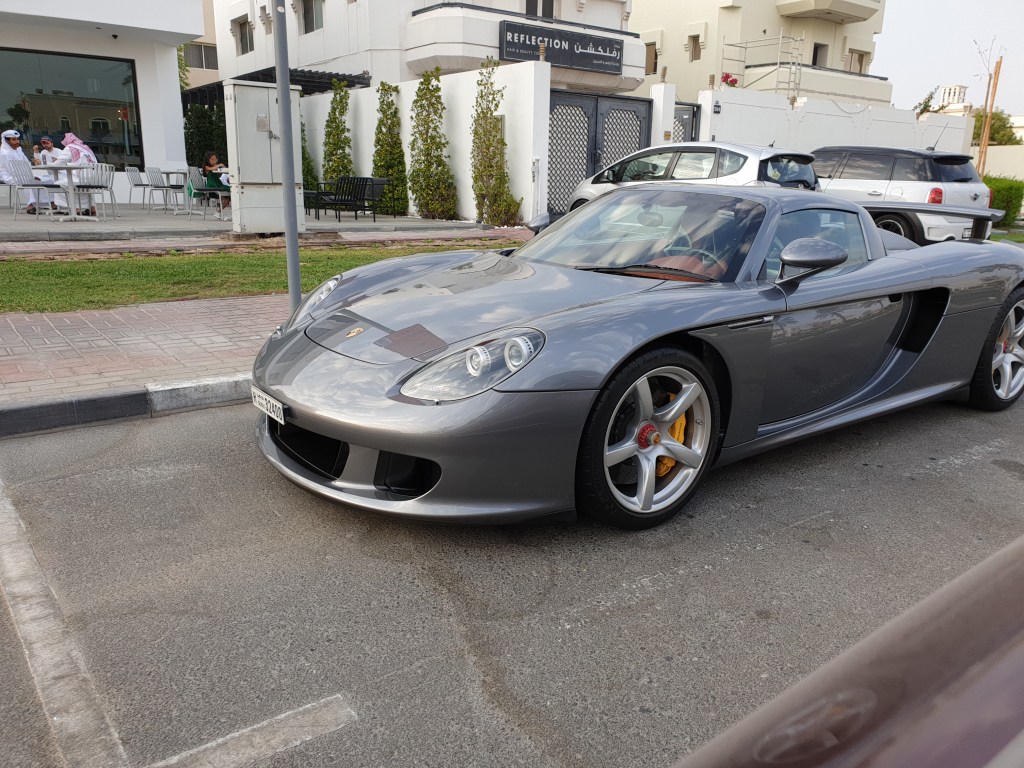
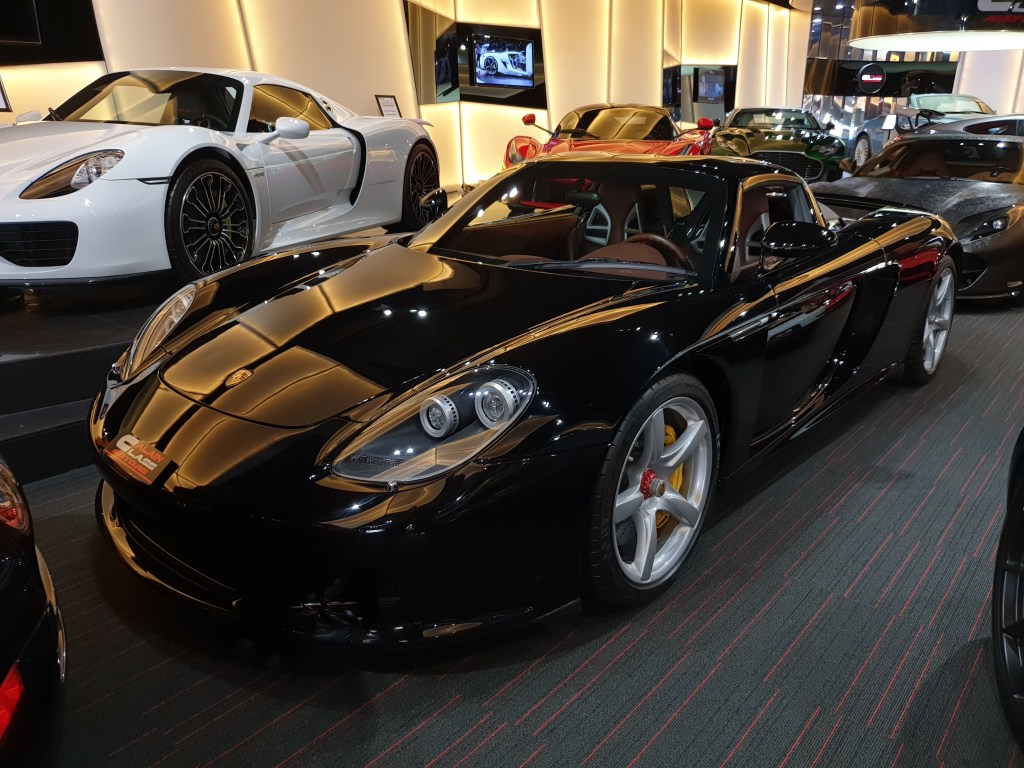
The Porsche Carrera GT
One of my favourite cars in the world and also the most legendary Porsche to ever exist. The development of the Carrera GT can be traced back to the 911 GT1 and LMP1-98 racing cars. Due in part to the FIA and ACO rule changes in 1998, both designs had ended. Porsche at the time had planned on a new Le Mans prototype for 1999. The car was initially intended to use a turbocharged flat-6, but was later redesigned to use a new V10 engine, pushing the project back to planned completion in 2000. The V10 was a unit secretly built by Porsche for the Footwork Formula One team in 1992, but later shelved. The engine was resurrected for the Le Mans prototype and increased in size to 5.7 L (5,733 cc). The project was canceled after two days of testing for the first car, in mid-1999, mostly due to Porsche’s wish to build the Cayenne SUV with involvement from Volkswagen and Audi, thus requiring engineering expertise to be pulled from the motorsports division. It was also speculated that VW-Audi chairman Ferdinand Piëch wanted Audi’s new Le Mans Prototype, the Audi R8 not to face competition from Porsche in 2004. Porsche did keep part of the project alive by using the 5.5 L V10 from the prototype in a concept car shown at the 2000 Paris Motor Show, mainly in an attempt to draw attention to their display. Surprising interest in the vehicle and an influx of revenue provided from the Cayenne helped Porsche decide to produce the car, and development started on a road-legal version that would be produced in small numbers at Porsche’s new manufacturing facility in Leipzig. Porsche started a production run of Carrera GTs in 2004, shipping the units with an MSRP of US$448,000. The first Carrera GT went on sale in the United States on 31 January 2004. Originally a production run of 1,500 cars was planned. However, Porsche announced in August 2005 that it would not continue production of the Carrera GT through to 2006, citing discontinuation was due to changing airbag regulations in the United States. By the end of production on 6 May 2006, more than 1,270 GTs had been sold, with a total of 644 units sold in the United States and 31 units sold in Canada. In the United Kingdom, 49 units were sold.






 Reinventing The Wheel